

AI
AI
28th Sep, 2026
15 days ago
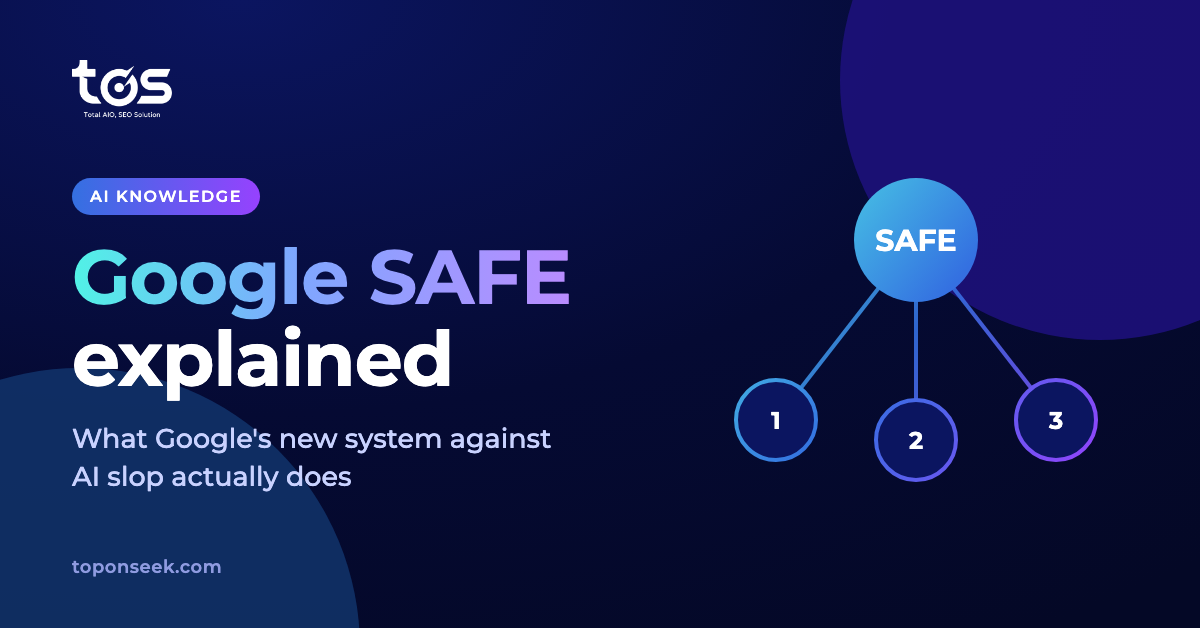
What Is Google SAFE? Understanding Google’s New Anti-AI-Slop System
Google SAFE is the four-agent AI system Google uses to investigate YouTube channel networks spreading AI slop. We read the original paper and set out what actually matters for websites.
Learn more 
08th Sep, 2026
35 days ago
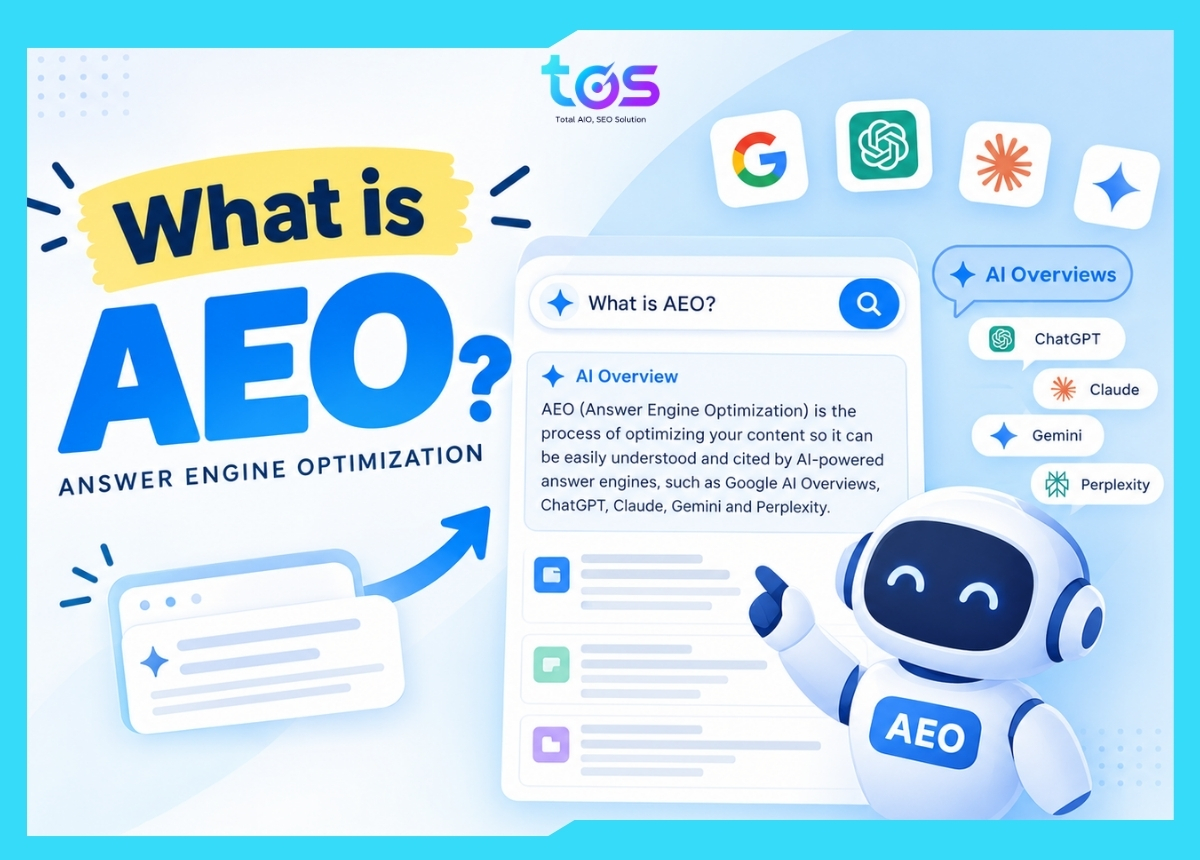
What Is AEO? Answer Engine Optimization Explained
What is AEO? AEO, or Answer Engine Optimization, is the process of optimizing content so AI-powered answer engines can understand, extract, and cite information in their generated responses. As users increasingly turn to platforms such as ChatGPT, Gemini, Perplexity, and AI-powered search to find answers, AEO helps businesses improve AI visibility, brand mentions, and citation […]
Learn more
20th Aug, 2026
54 days ago
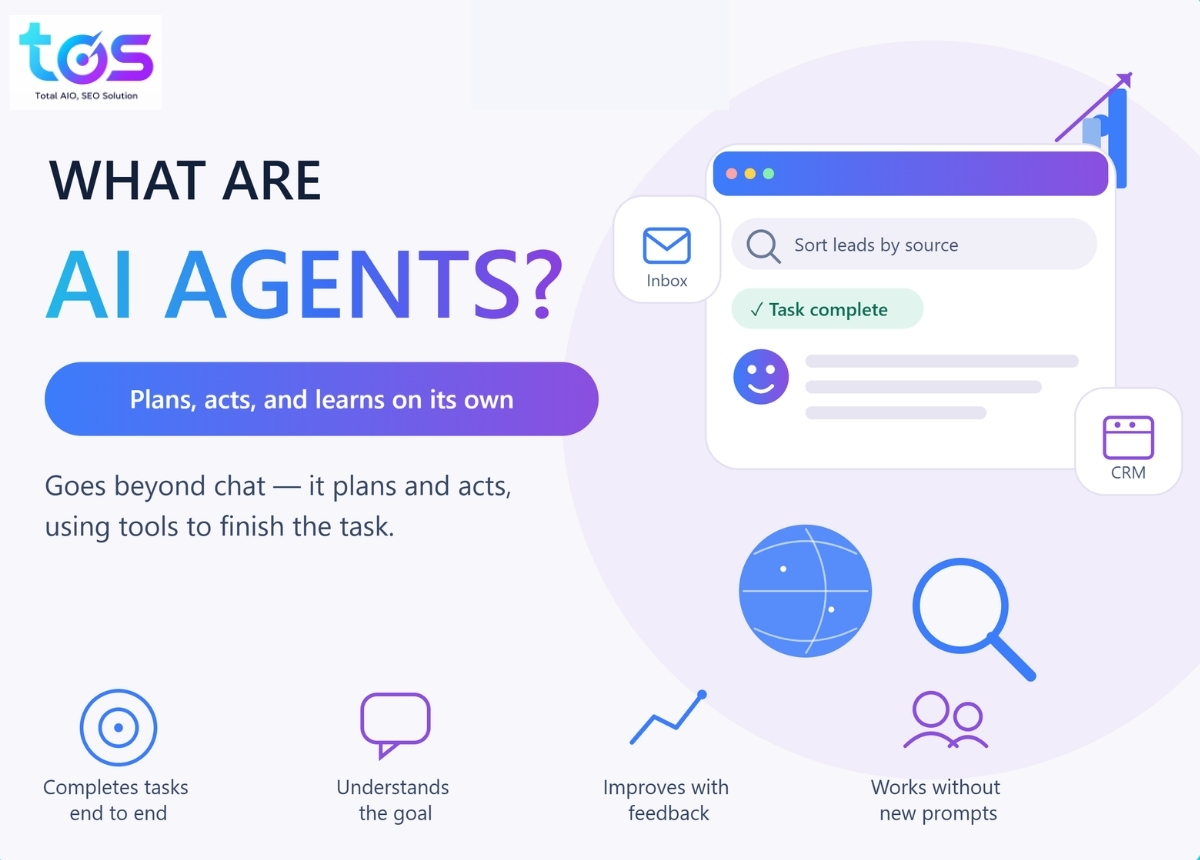
AI Agents: What They Are, How They Work, and How to Use 2026
An AI agent is a software system that pursues a goal on its own, without a person guiding each step. It perceives information, plans a sequence of actions, and uses tools to carry them out. Unlike a chatbot, which only replies inside a chat window, an AI agent can call an API, fill out a […]
Learn more
18th Aug, 2026
57 days ago
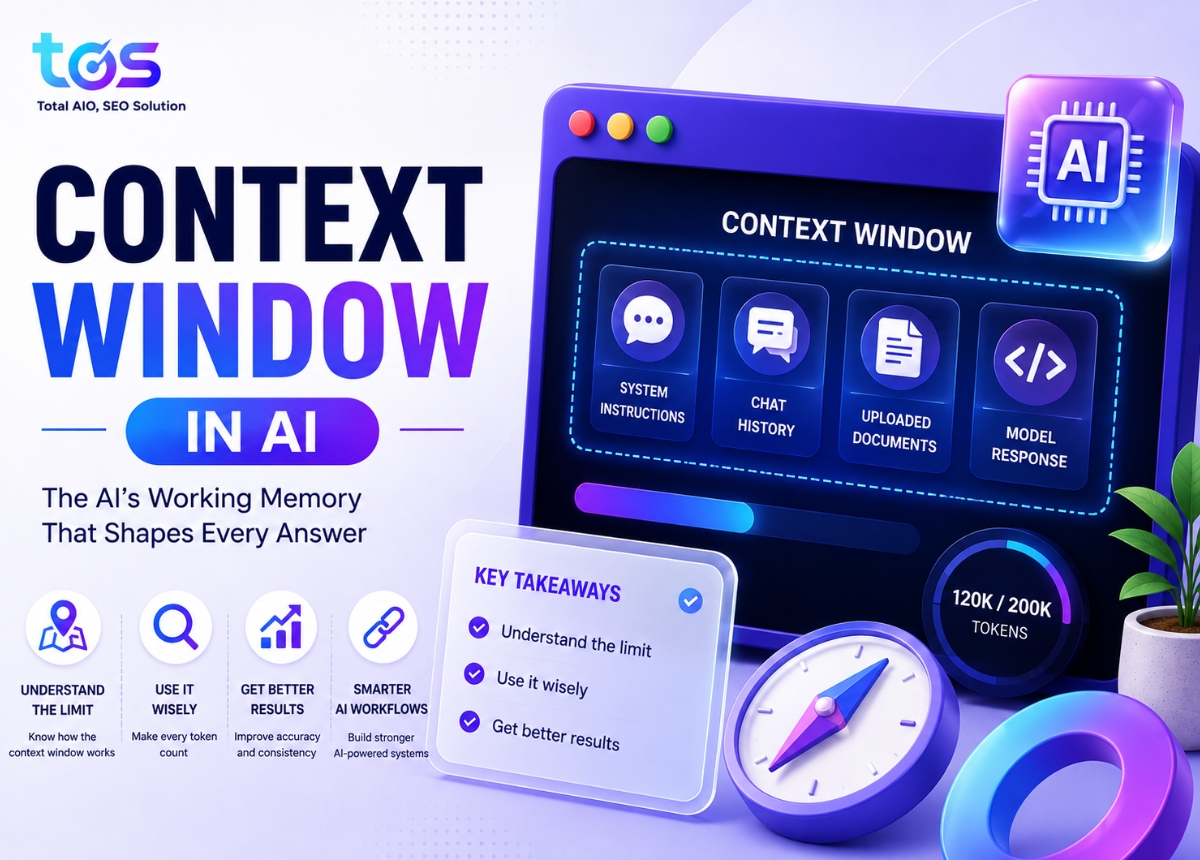
What Is a Context Window? How Much an LLM Can Read at Once
A context window is the maximum number of tokens an AI model can process in a single conversation. Think of it as the model’s working space. Every prompt you send, document you paste, and reply the model generates must fit within this limit. When you understand how it works, you can feed AI tools the […]
Learn more
16th Aug, 2026
58 days ago
AI Crawlers (AI Bots): The Complete List and Priority Order for GEO
An AI crawler (AI bot) is an automated program that AI companies use to read, index, and fetch web content so their models can learn from it or cite it in answers. These AI bots now decide whether a brand appears in answers generated by ChatGPT, Gemini, Copilot, Perplexity, and other AI engines, which makes […]
Learn more
13th Aug, 2026
61 days ago
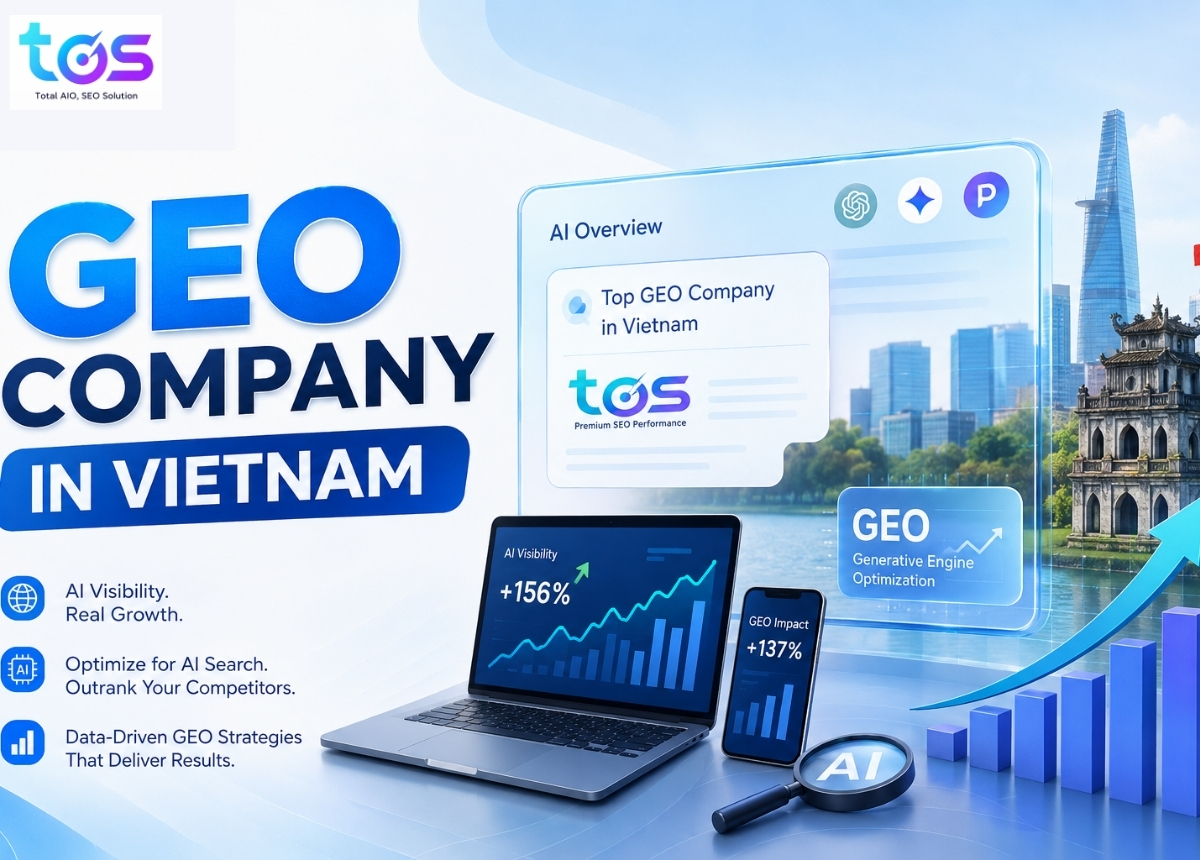
Top 10 GEO Companies in Vietnam (2026)
A GEO company in Vietnam helps brands earn visibility inside generative AI answers, so that when people ask ChatGPT, Gemini, Perplexity, or Google AI Overviews about your industry, your business is the one that gets cited. Search no longer ends at ten blue links. A growing share of buyers now start with an AI assistant […]
Learn more
13th Aug, 2026
61 days ago
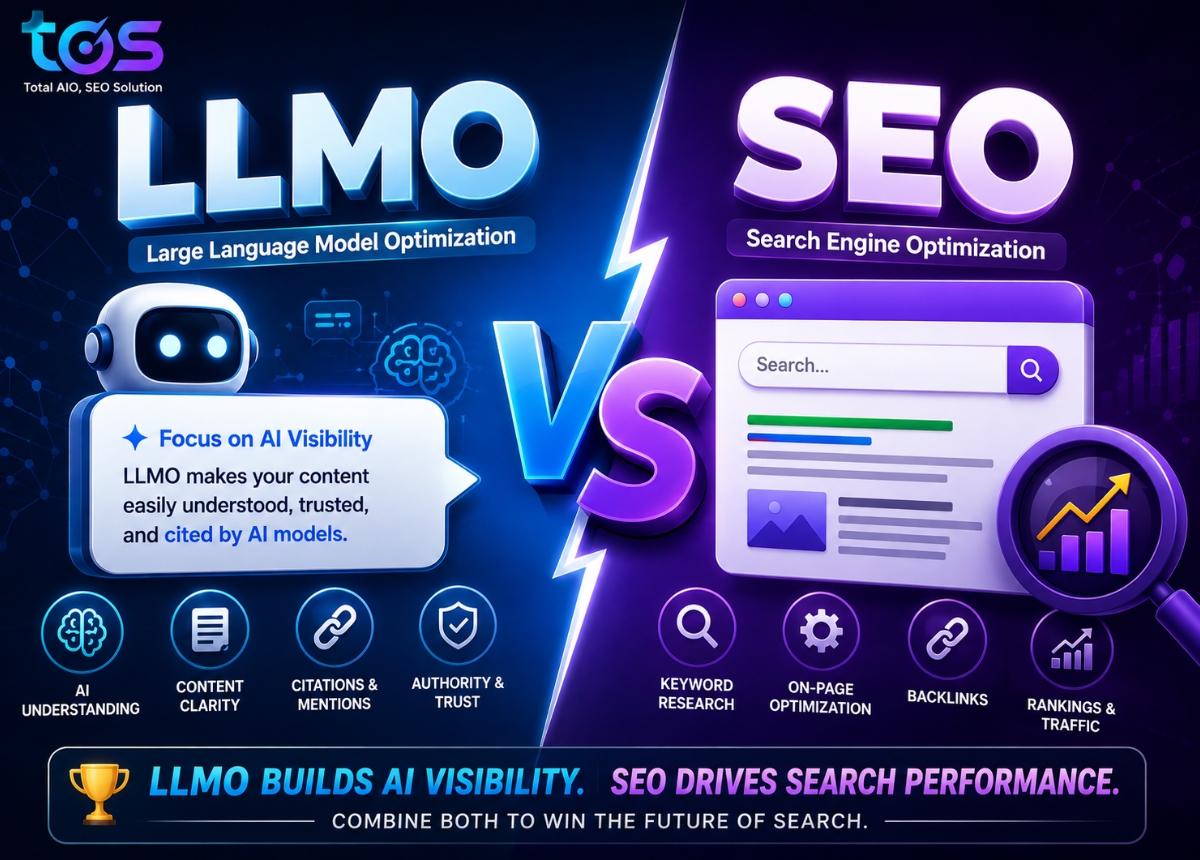
LLMO vs SEO: What’s the Difference and Why Both Matter
LLMO vs SEO comes down to one question. Are you optimizing to rank a page on a search engine, or to be understood, trusted, and cited inside an AI-generated answer? SEO (Search Engine Optimization) helps your pages rank on search engine results pages. LLMO (Large Language Model Optimization) shapes your content for large language models […]
Learn more
13th Aug, 2026
61 days ago
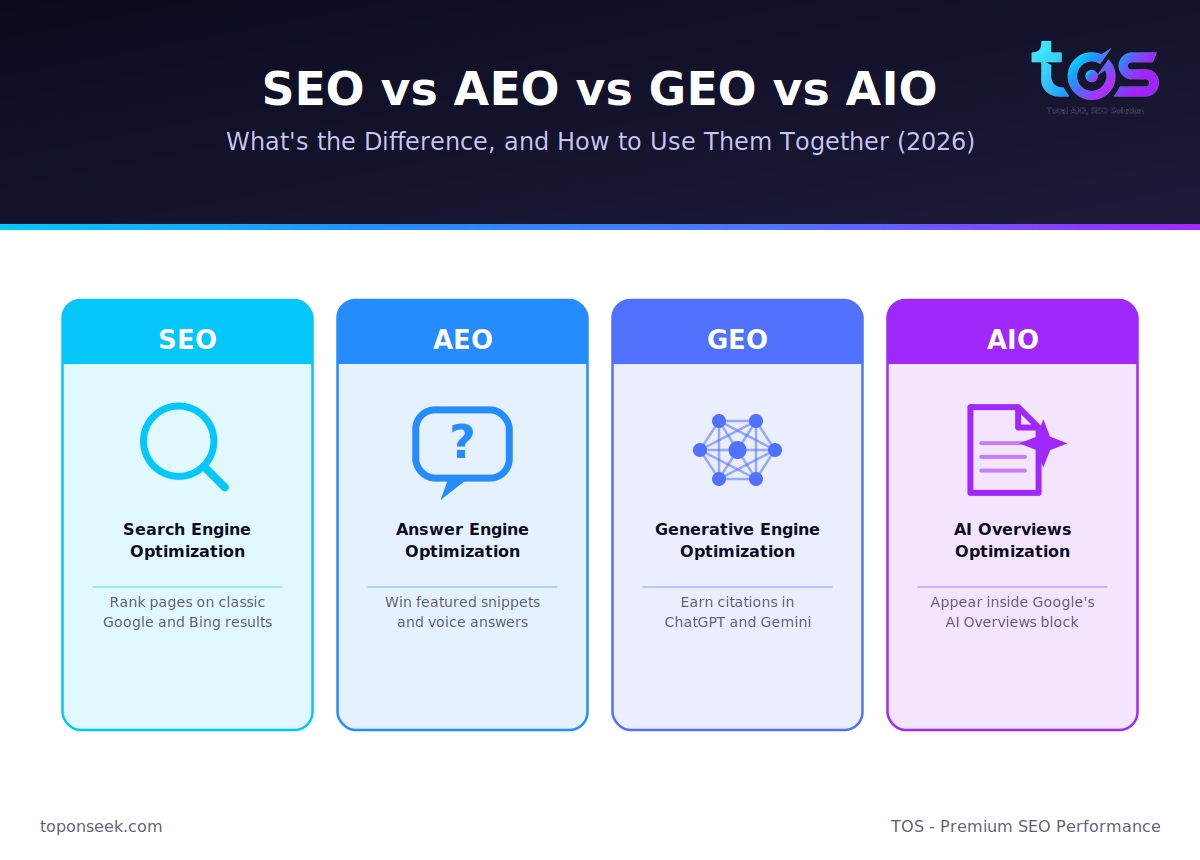
AEO vs SEO vs GEO vs AIO: What’s the Difference?
AEO, SEO, GEO and AIO are four related but distinct optimization disciplines: SEO ranks your pages on classic search results, AEO makes your content the direct answer in snippets and voice, GEO earns citations inside generative AI engines, and AIO wins a spot in Google’s AI Overviews. They share the same DNA – helping the […]
Learn more
13th Aug, 2026
61 days ago
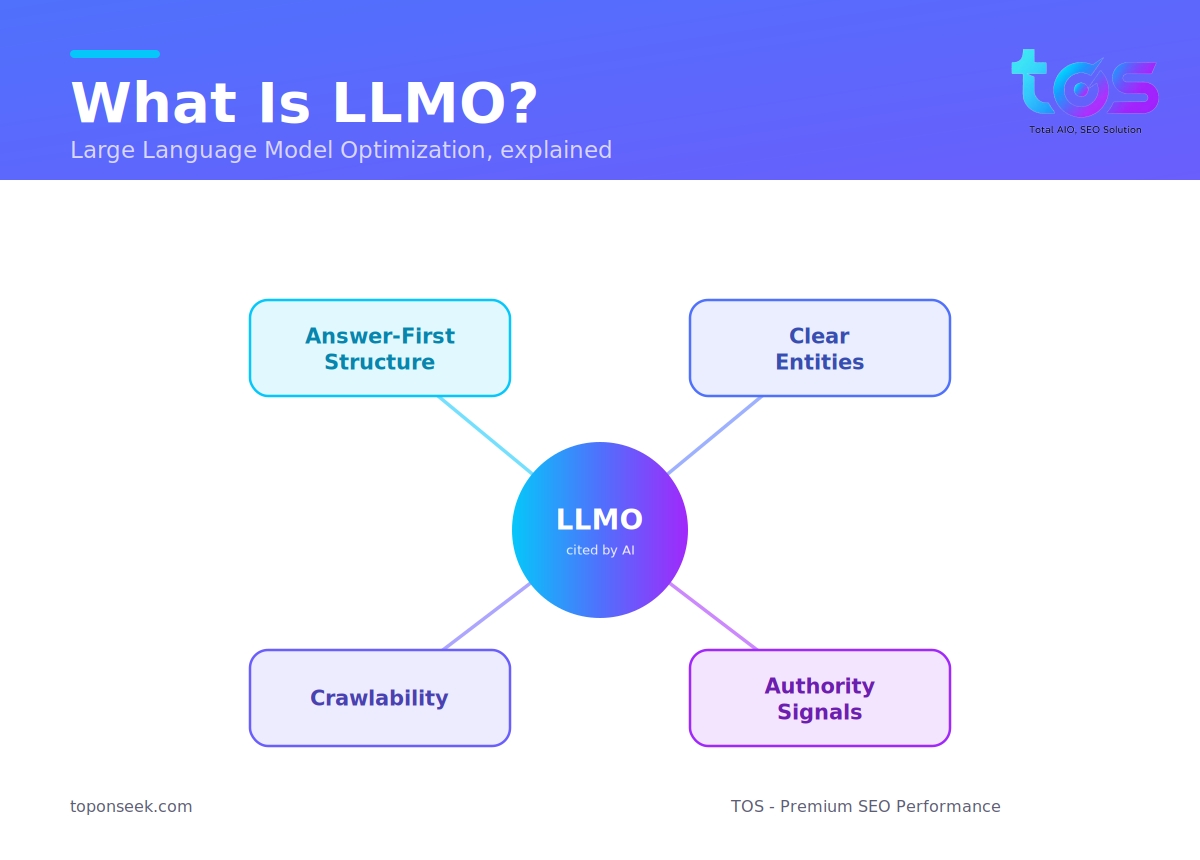
LLMO: What It Is and How to Get Cited by AI
LLMO (Large Language Model Optimization) is the practice of shaping your content so large language models such as ChatGPT, Claude, and Gemini can understand it, trust it, and cite it when they answer real questions. As buyers increasingly ask an AI assistant instead of scrolling a results page, being the source the model quotes has […]
Learn more
01st Aug, 2026
73 days ago
AI Subscriptions vs API Tokens: The Real Cost Question for Content & SEO Teams
Every content and SEO team hits this question once AI becomes a daily tool: should you pay $20 a month for ChatGPT Plus, Claude Pro or Gemini, or call the API directly and pay per token? The answer is not just about saving a few dollars — it decides how far you can scale production, […]
Learn more
10th Jul, 2026
95 days ago
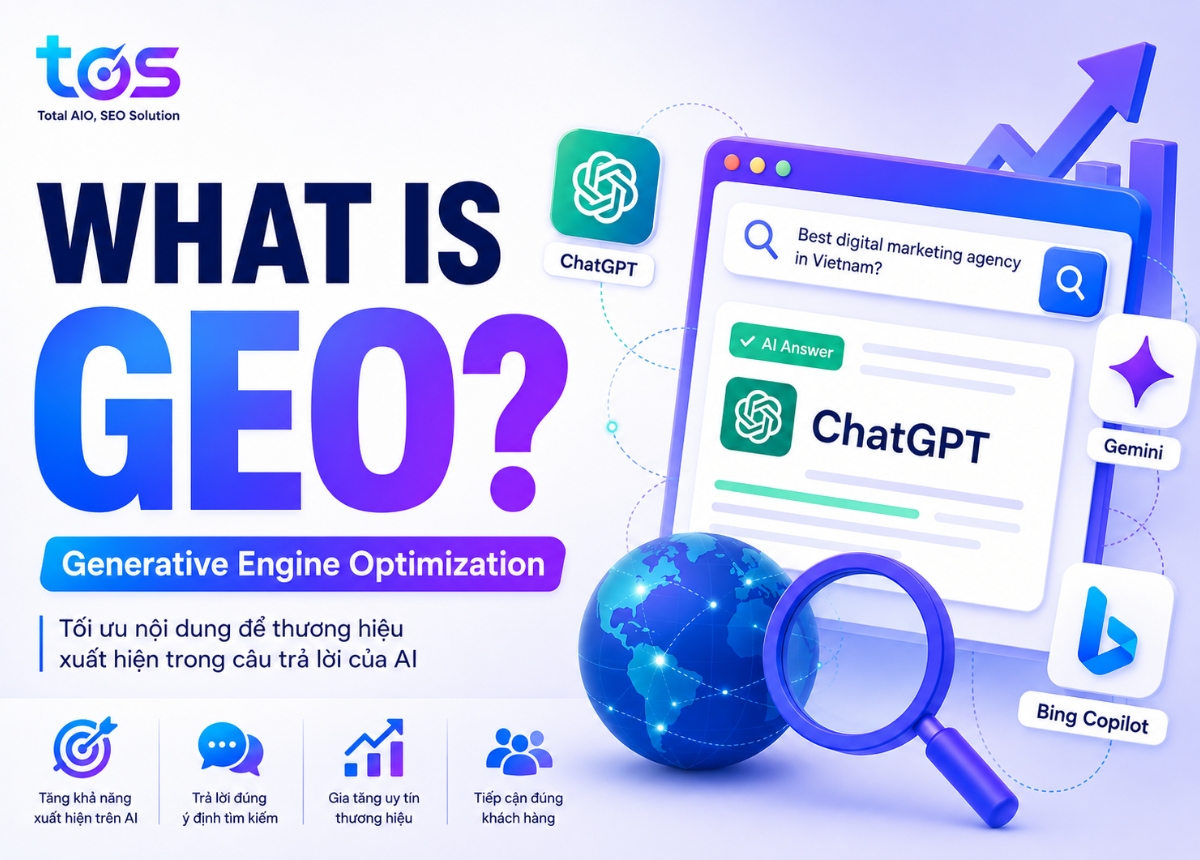
What Is GEO? A Complete Guide to Generative Engine Optimization
GEO stands for Generative Engine Optimization, the practice of structuring a brand’s content and online presence so that AI systems such as Google AI Overviews, ChatGPT, and Perplexity can find, understand, and cite it when generating answers. Rather than competing for a ranked position in a list of blue links, GEO competes for a place […]
Learn more
10th Jul, 2026
95 days ago
GEO Audit: How to Audit Your Site’s AI Visibility
Your website ranks on page one of Google, yet ChatGPT recommends a competitor when a buyer asks for the best option in your category. That gap is exactly what a GEO audit is built to close. As AI assistants like ChatGPT, Perplexity, Google AI Overviews, and Claude become the first stop for buying decisions, classic […]
Learn more
25th Nov, 2025
323 days ago
How to Install ChatGPT on Your Computer Quickly and Easily (2025)
If you’re looking for the fastest and most reliable way to install ChatGPT on your computer, this guide is for you. As one of the most widely used AI tools today, ChatGPT helps marketers, creators, and professionals streamline tasks from content creation to research and problem solving. In this step-by-step guide, TOS walks you through […]
Learn more
17th Nov, 2025
330 days ago
Google Gemini Versions Update: Full Comparison from 1.0 to 2.5
The Google Gemini family continues to attract massive attention thanks to its rapid upgrade cycle and impressive multimodal capabilities. From the debut of Gemini 1.0 in late 2023 to the breakthrough Gemini 2.5 released in mid-2025, each generation brings major advancements in reasoning, performance, and real-world applicability. In this guide, TOS provides a clear, structured […]
Learn more
13th Nov, 2025
334 days ago
How to Create a Free and Effective Chatbot for Facebook Messenger
In recent years, chatbots have become a vital part of the digital and AI revolution, helping businesses automate and enhance interactions between humans and machines across multiple industries. This article TOS will explains what a chatbot is and provides a step-by-step guide to creating a Facebook Messenger chatbot for your fanpage. Learn more: What Is […]
Learn more
28th Oct, 2025
350 days ago
ChatGPT Versions in 2025: Which Model Should You Use?
The ChatGPT ecosystem has evolved rapidly, from GPT-3.5 to GPT-4, GPT-4 Turbo, and now the latest GPT-5. Each version offers unique capabilities and performance levels. Understanding the key differences between them helps you choose the best model for your needs, whether it’s for conversation, content creation, programming, or data analysis. In this article, TOS provides […]
Learn more
21st Oct, 2025
357 days ago
Top 15 AI Architecture Software for Architects and Designers in 2025
In recent years, Artificial Intelligence (AI) has been transforming the way we approach many industries and architecture is no exception. The combination of AI and modern design tools not only improves efficiency but also unlocks new creative possibilities. In this article, TOS introduces the Top 15 AI architecture software tools that help architects and designers […]
Learn more
21st Oct, 2025
358 days ago
Top 10 AI Report Writing Tools in 2025 | Best AI Reporting Software
In today’s data-driven era, businesses are dealing with an overwhelming amount of information. Creating reports manually has become time-consuming, error-prone, and often fails to deliver real-time insights. This is where AI report writing tools come in, automating workflows, processing data efficiently, and generating accurate, up-to-date reports with minimal human intervention. In this article, TOS explores […]
Learn more